Getting to Imlil from Marrakech: Your Toubkal Trailhead Guide
Imlil is the gateway to Toubkal, about 90 minutes from Marrakech. Here's how the transfer works, where to stay and how to arrange your first morning stress-free.
Toubkal isn't technical, but at 4,167 m the altitude is the real challenge. Here's how it feels, how we pace the climb, and the warning signs we never ignore.
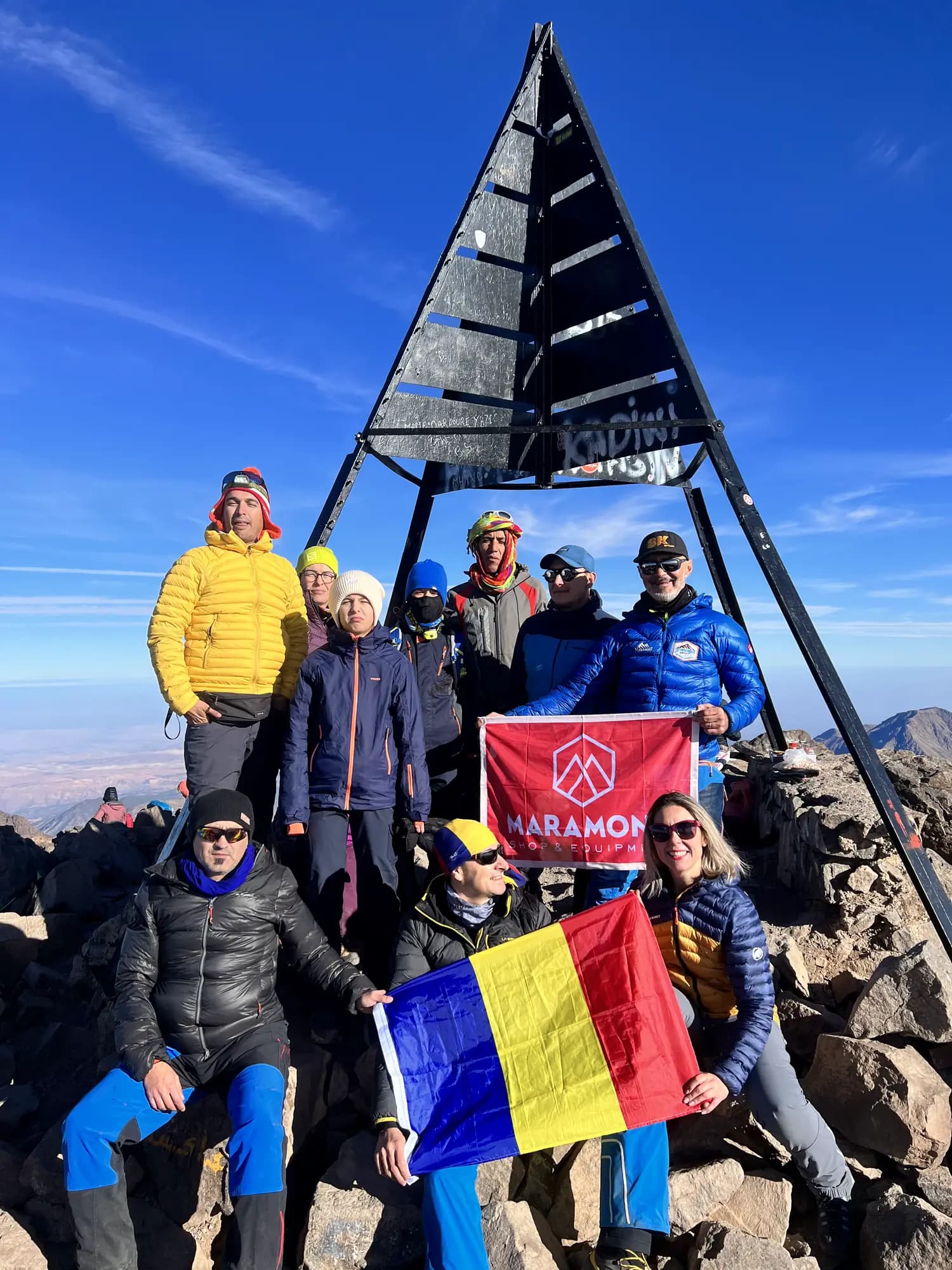
Mount Toubkal needs no ropes or technical skills, which leads many people to underestimate it. The real difficulty is altitude: at 4,167 m there is roughly a third less oxygen than at sea level, and even fit trekkers can feel it.
Most people notice a faster heartbeat, shorter breath on steep sections and a mild headache or poor sleep at the refuge. These are normal. What matters is whether symptoms stay mild — or get worse.
A severe or worsening headache, vomiting, loss of coordination, confusion or breathlessness at rest are signs of serious altitude illness. The treatment is simple and non-negotiable: descend. Your guide will make that call, and no summit is worth the risk.
The mountain will still be here tomorrow. Turning around is part of climbing well.
If you have a heart, lung or blood condition, or are pregnant, speak to your doctor before booking and confirm your insurance covers trekking to 4,000 m. Not sure which itinerary suits you? Ask us.
Imlil is the gateway to Toubkal, about 90 minutes from Marrakech. Here's how the transfer works, where to stay and how to arrange your first morning stress-free.
Short on time, or want a gentler pace and a better shot at the summit? We compare our 2-day and 3-day Toubkal itineraries honestly so you can pick the right one.
Spring snowmelt, summer heat, autumn clarity or a full winter ascent — here's how each season reshapes a Toubkal trek, and which one fits the trip you have in mind.